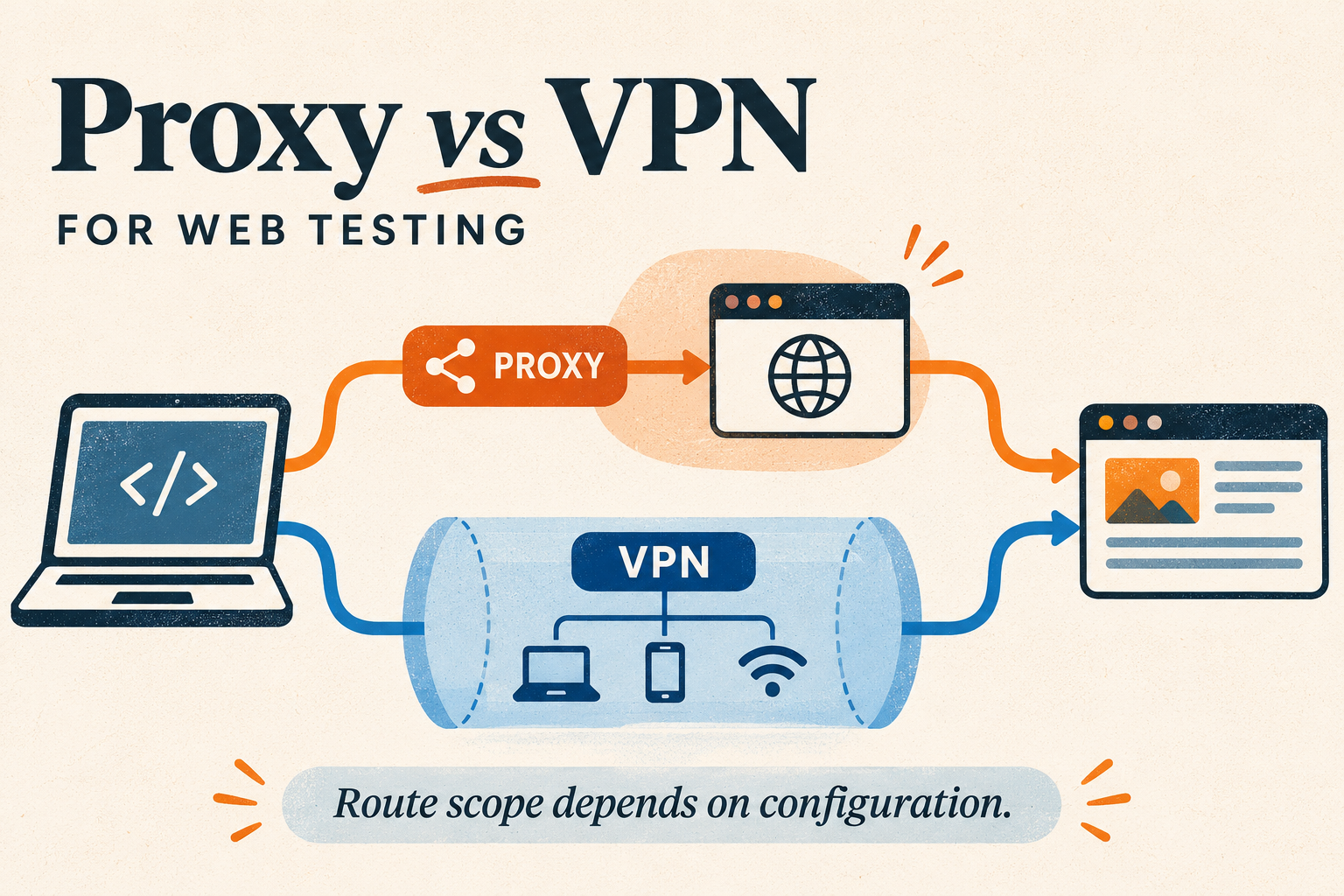
Proxy vs VPN for Web Testing: Routing, Security, and Scale
Compare proxies and VPNs for website QA and automation: route scope, encryption boundaries, DNS behavior, isolated browser contexts, and a practical selection checklist.
Exploring the frontiers of proxy technology, data collection, and cross-border commerce.

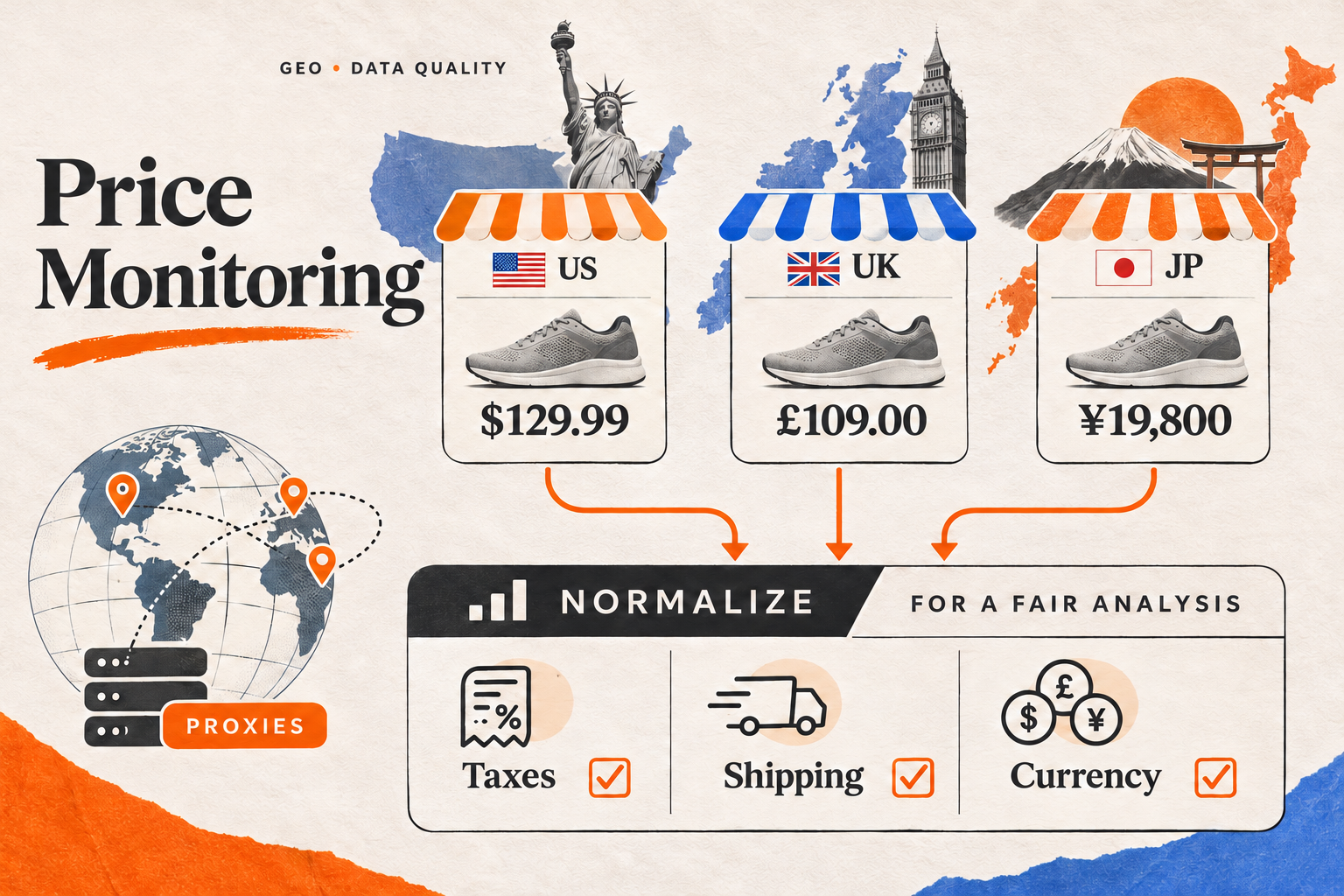
A practical framework for collecting comparable retail prices across regions: match SKUs, distinguish tax and shipping, validate geo signals, and measure cost per valid observation.

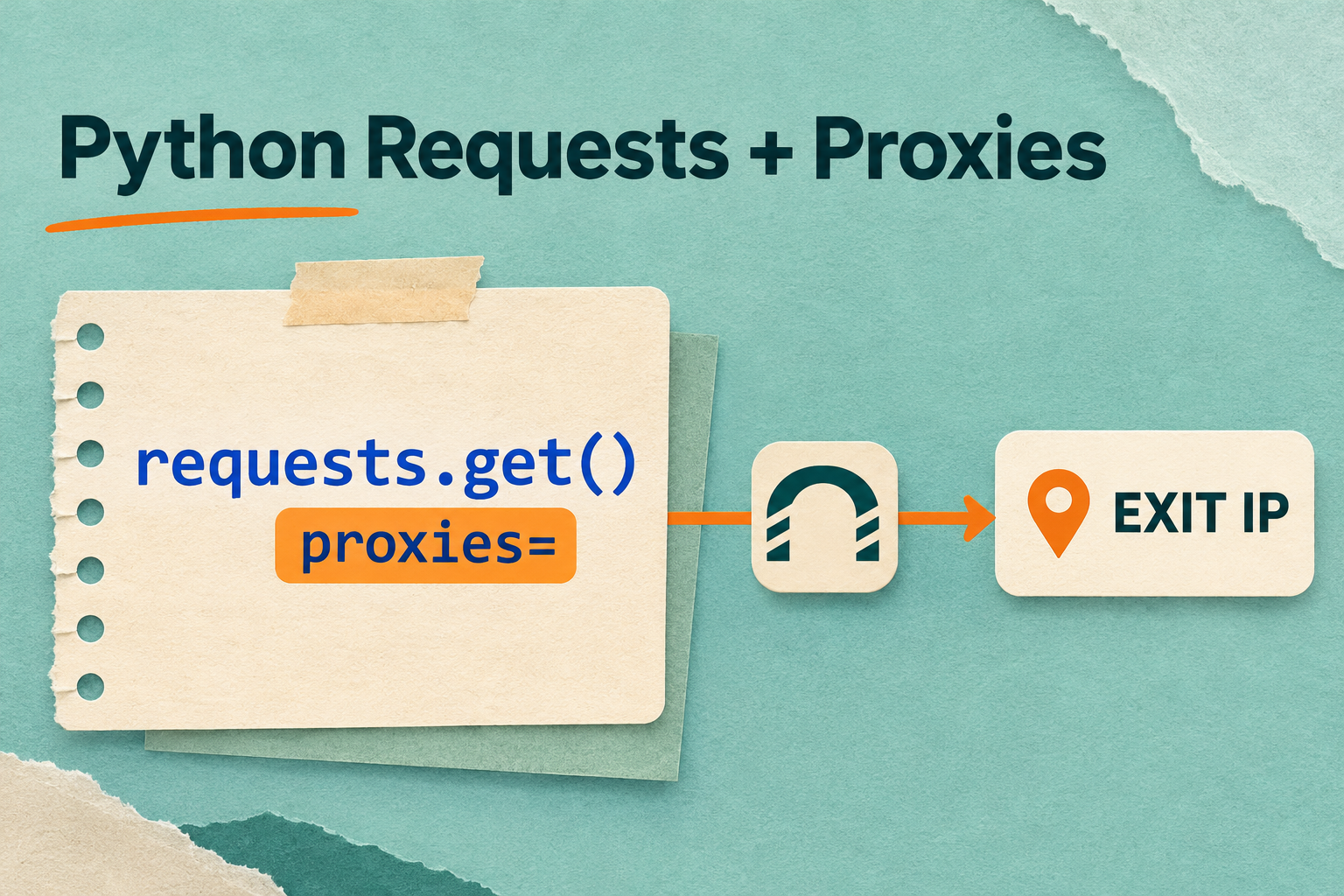
Set up an HTTP proxy in Python Requests with a complete example. Handle credentials, HTTPS destinations, environment settings, timeouts, and real target validation.

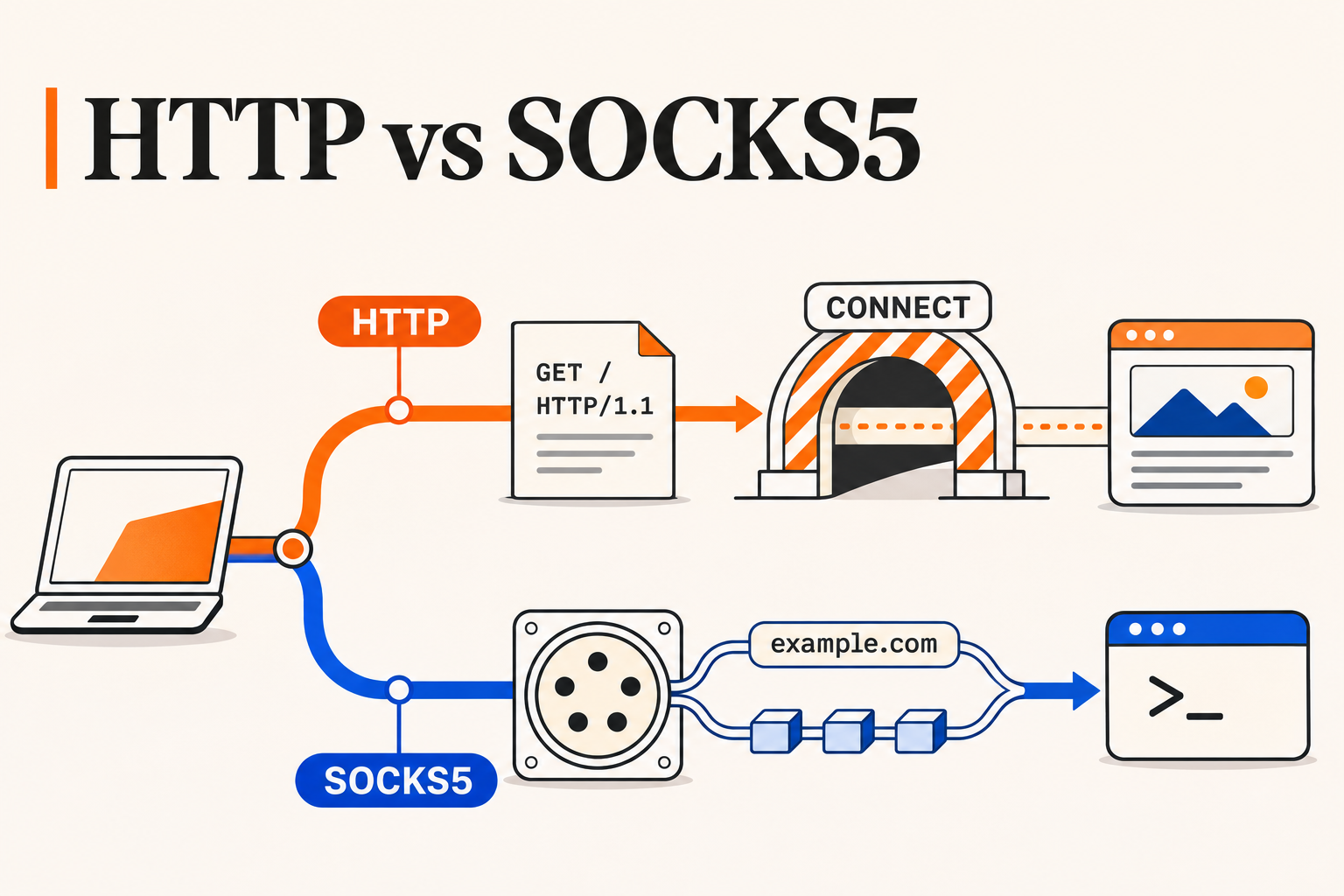
Compare HTTP and SOCKS5 proxy protocols by tunnel behavior, DNS resolution, authentication, and application fit, with a controlled test plan instead of speed myths.

Configure a proxy in Playwright with a runnable Node.js example. Understand browser-wide and per-context routes, proxy credentials, IP verification, and common failure modes.

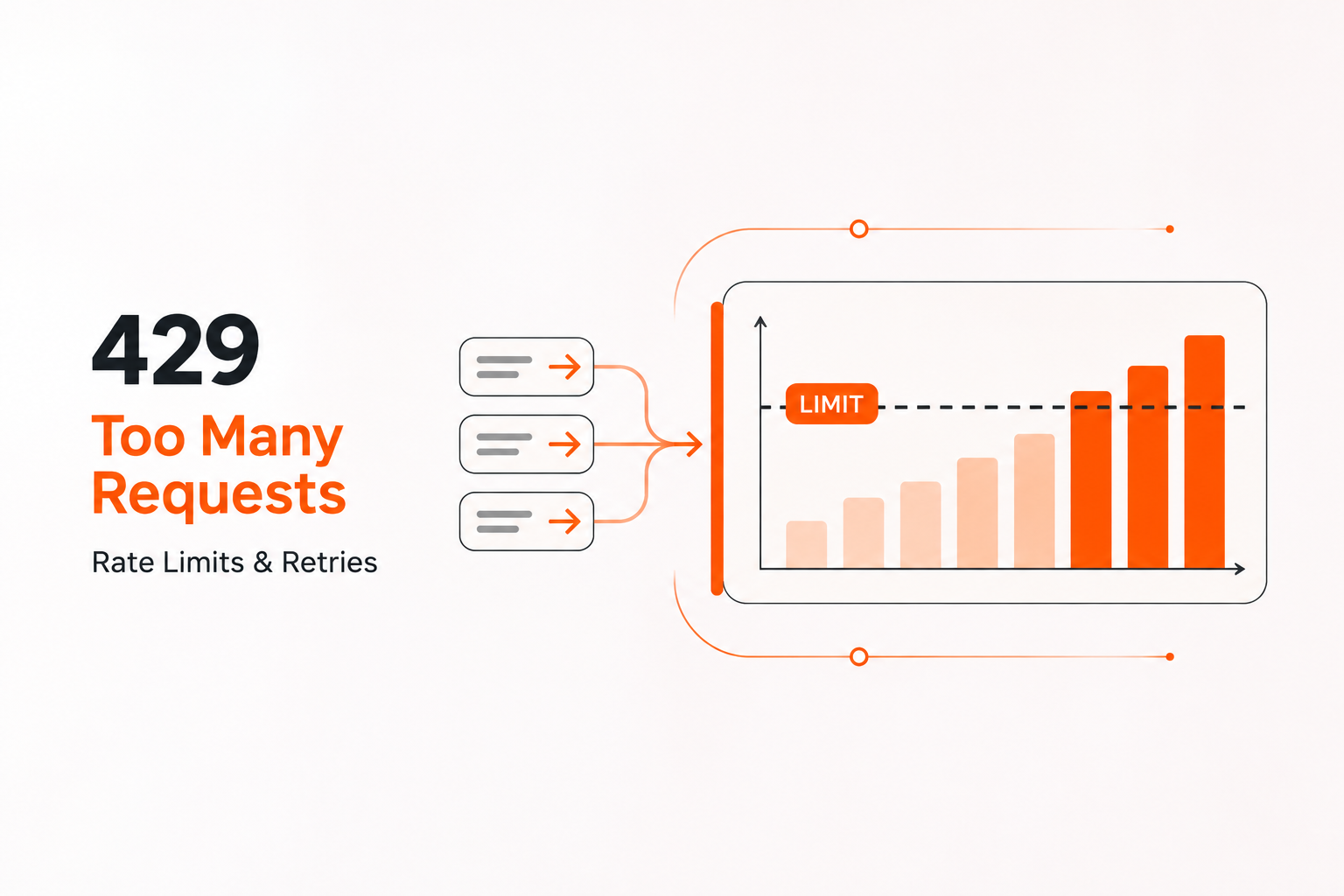
Diagnose 429 responses through a proxy, identify the limiting service, read Retry-After, and build bounded retries without increasing unnecessary traffic.

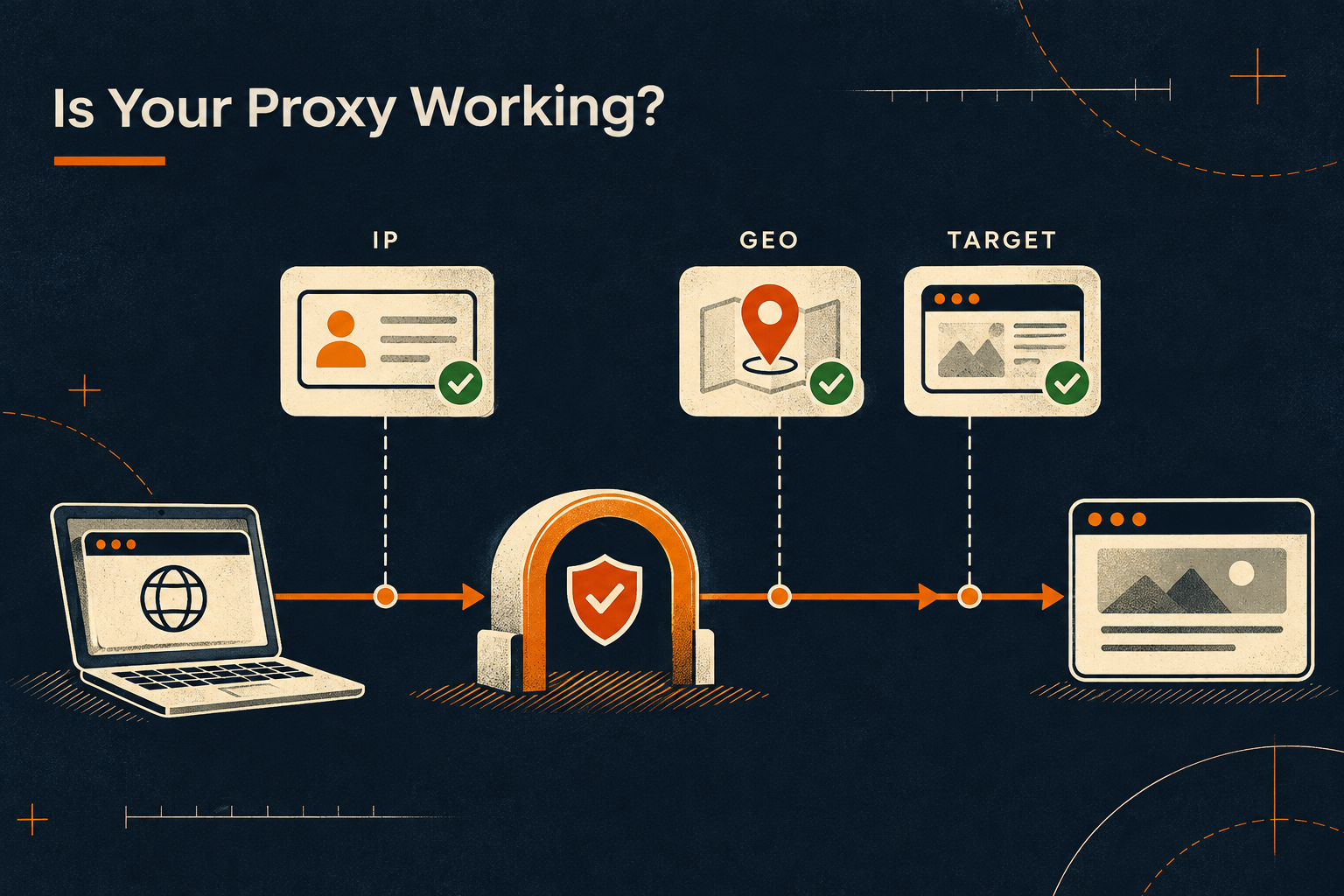
A changed exit IP is only the first check. Use cURL to verify proxy routing, location, target response, and session continuity, then measure valid results on a controlled workload.

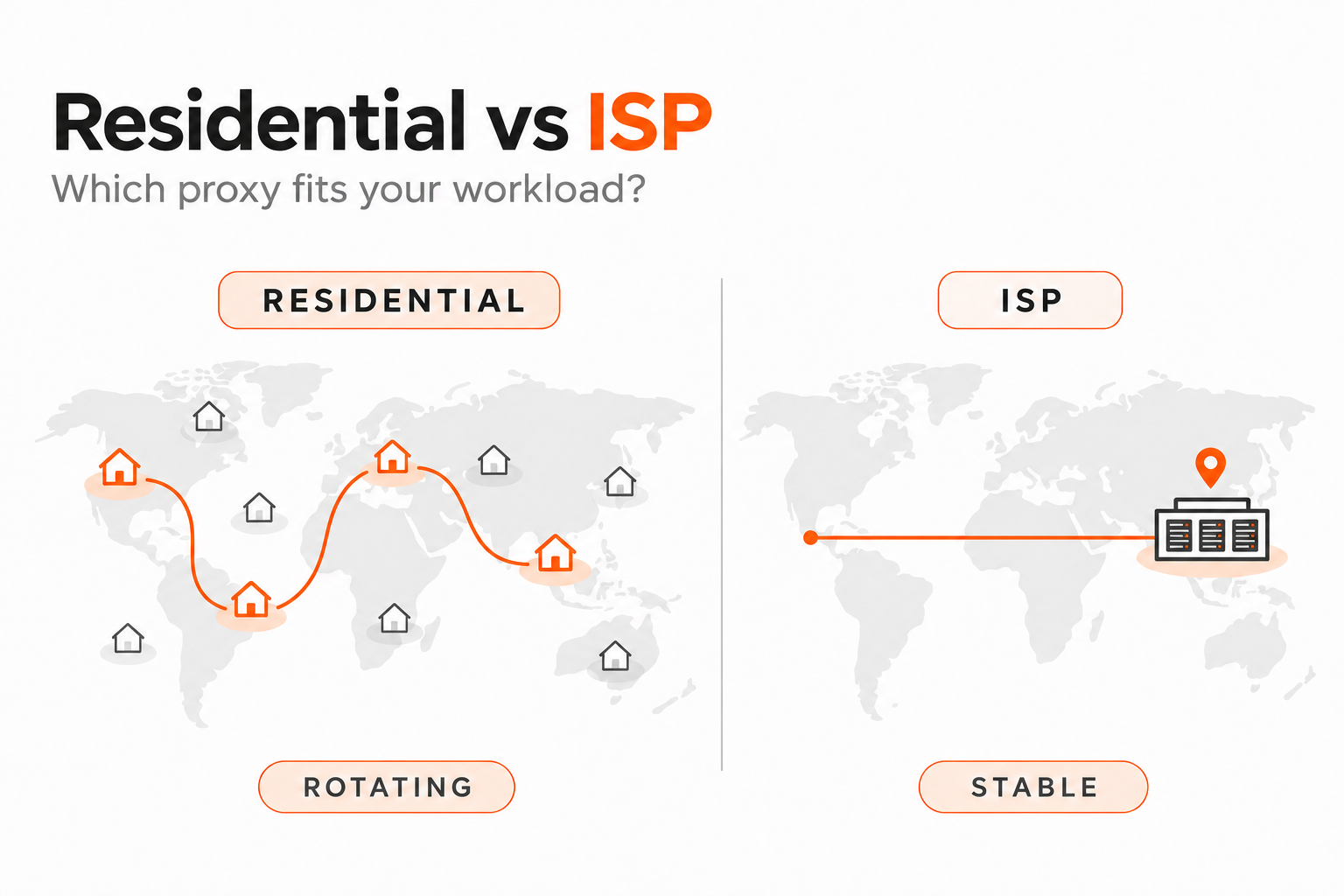
Compare residential and ISP proxies by IP continuity, location coverage, billing, and cost per validated result. Includes a practical pilot checklist.

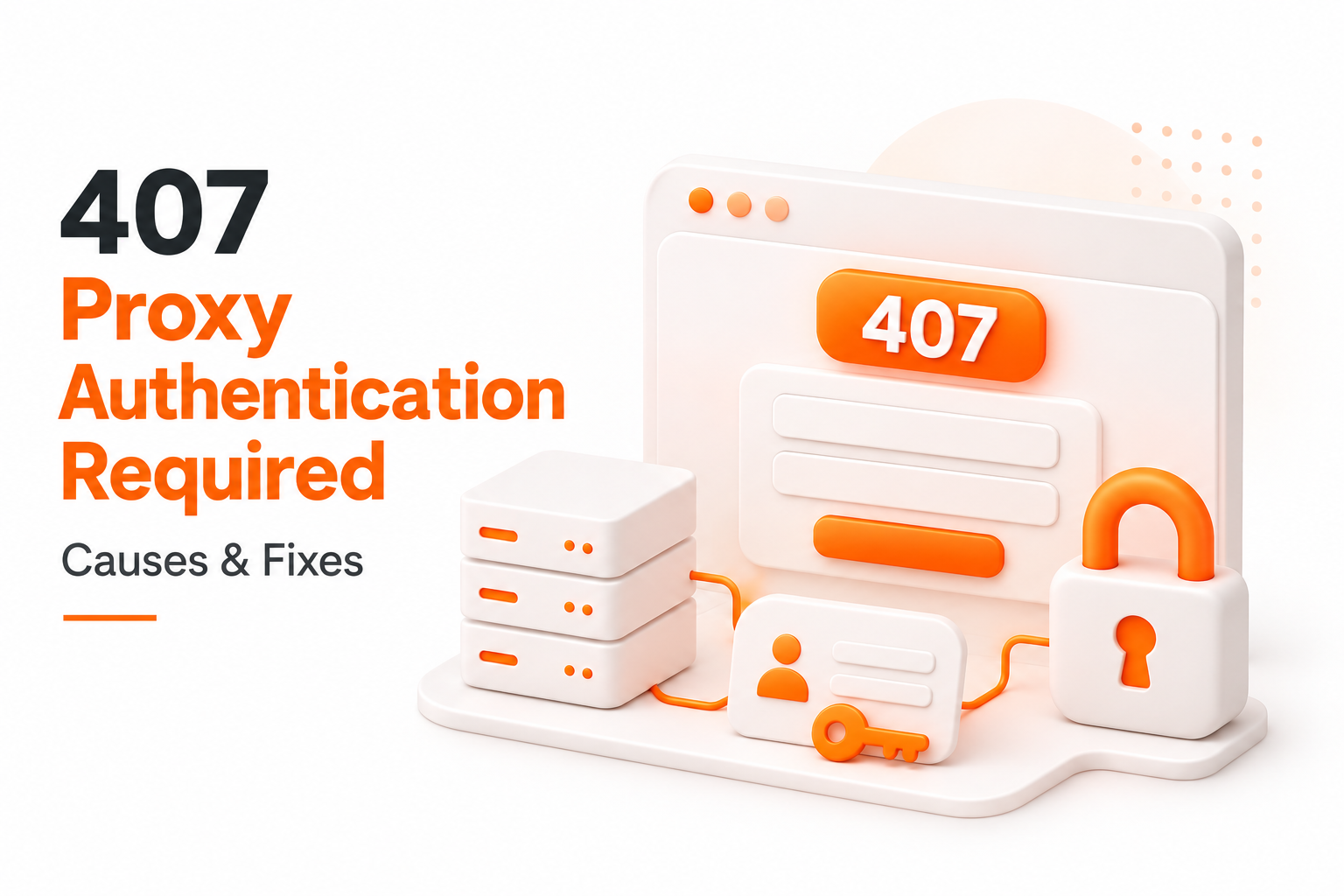
Diagnose HTTP 407 with a controlled cURL test. Check proxy credentials, authentication schemes and IP allowlists, then separate CONNECT failures from website responses.

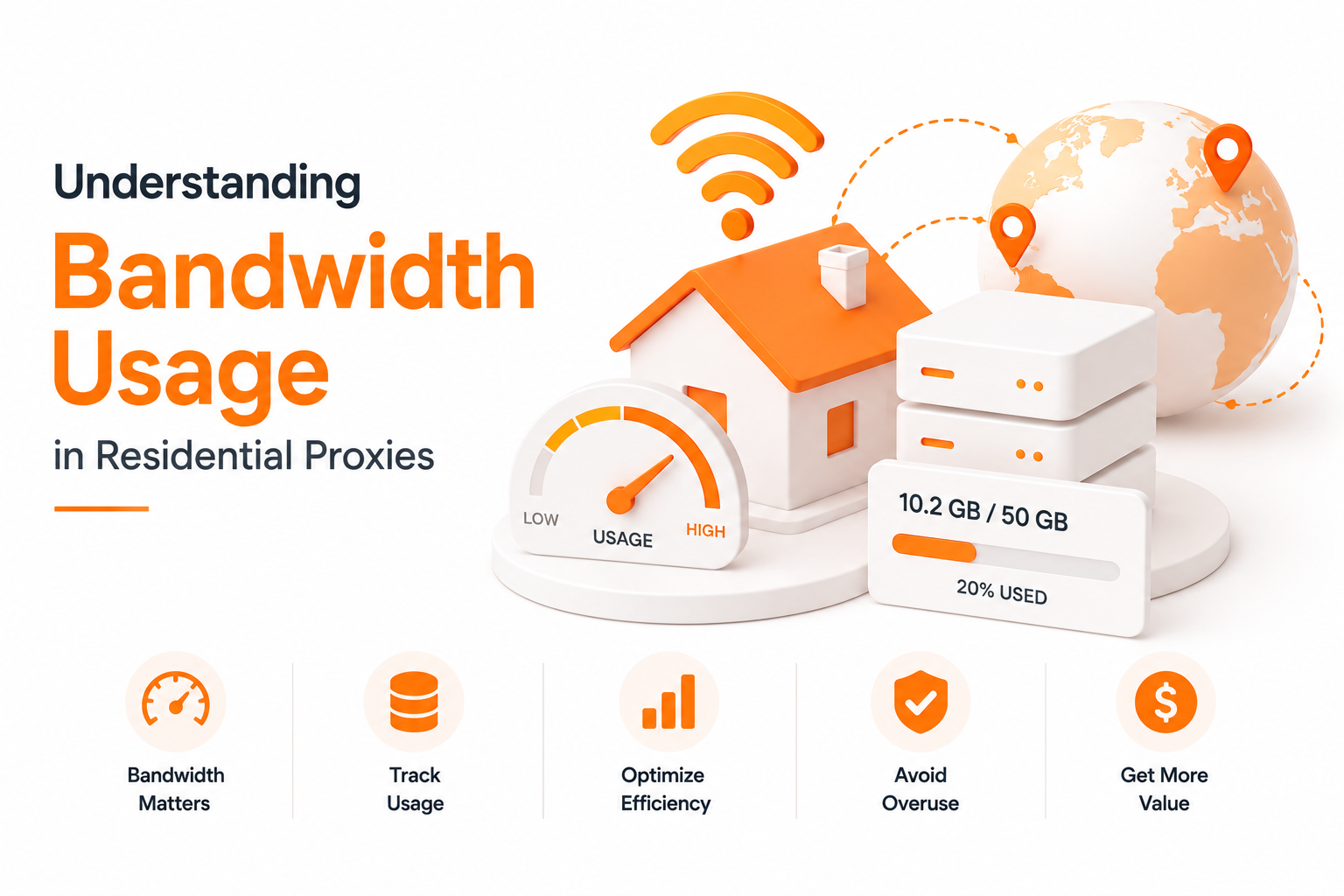
Residential proxies bill by the gigabyte — and most teams burn far more bandwidth than they think. Here is what actually counts against your quota, and how to keep it under control.

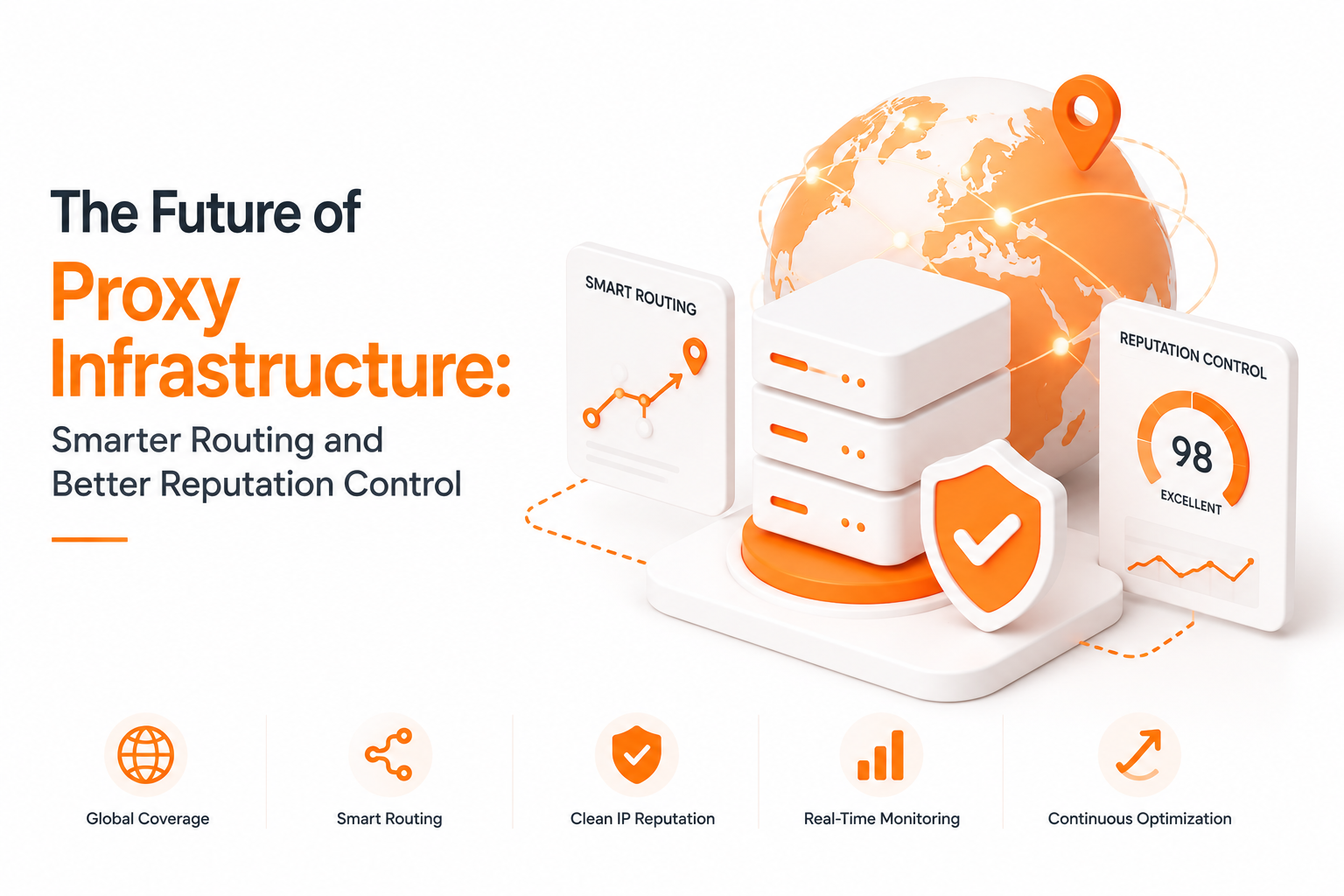
The next generation of proxy networks will not win on pool size. They will win on routing intelligence, real-time reputation control, and how invisibly they blend into normal internet traffic.

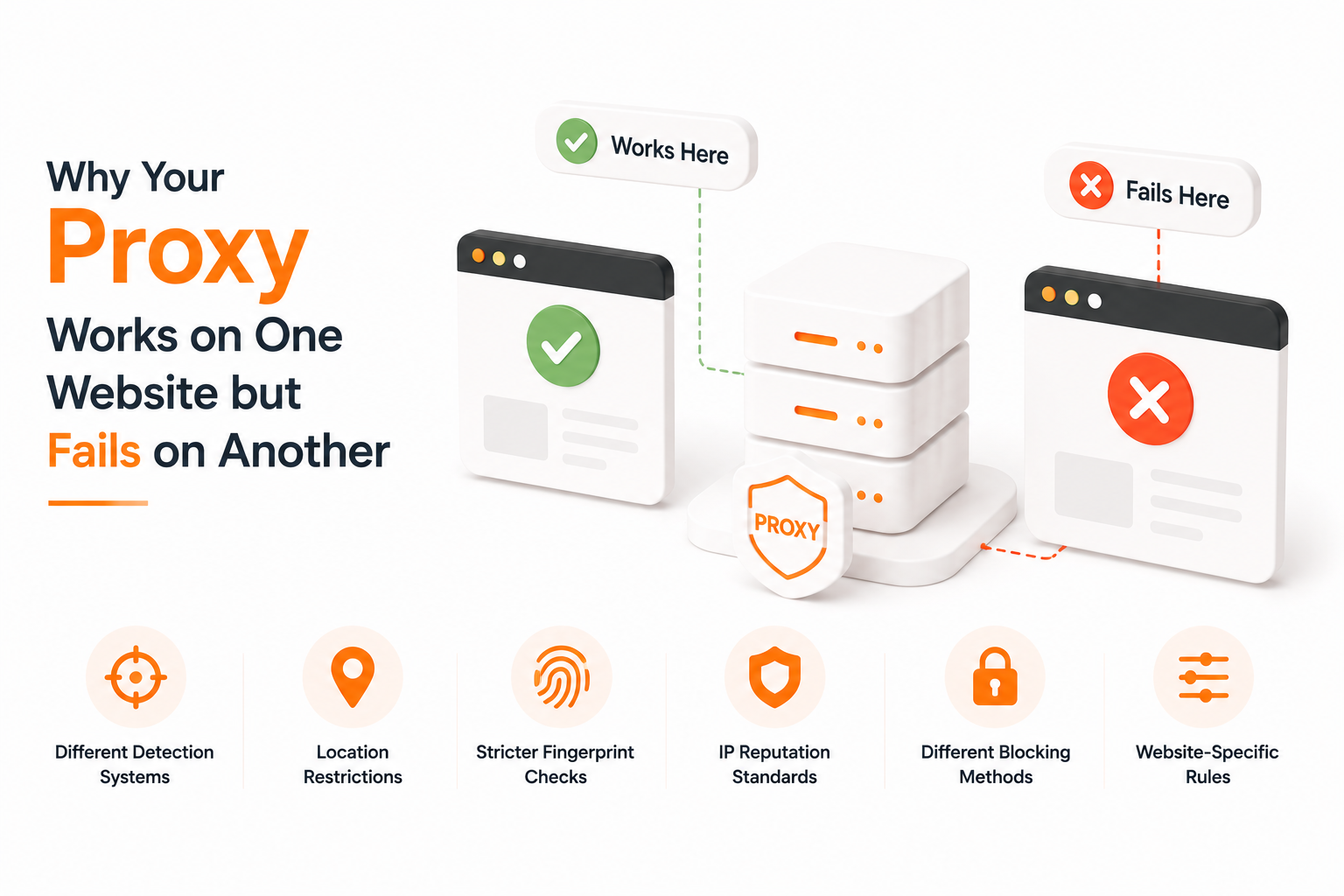
Same proxy, same setup, completely different results. The reason is rarely the proxy itself — it is how each site detects, scores, and blocks traffic.

Amazon, Walmart, Target, TikTok Shop — every marketplace has its own detection style. Here is how to pick proxies that keep your accounts stable instead of getting flagged.

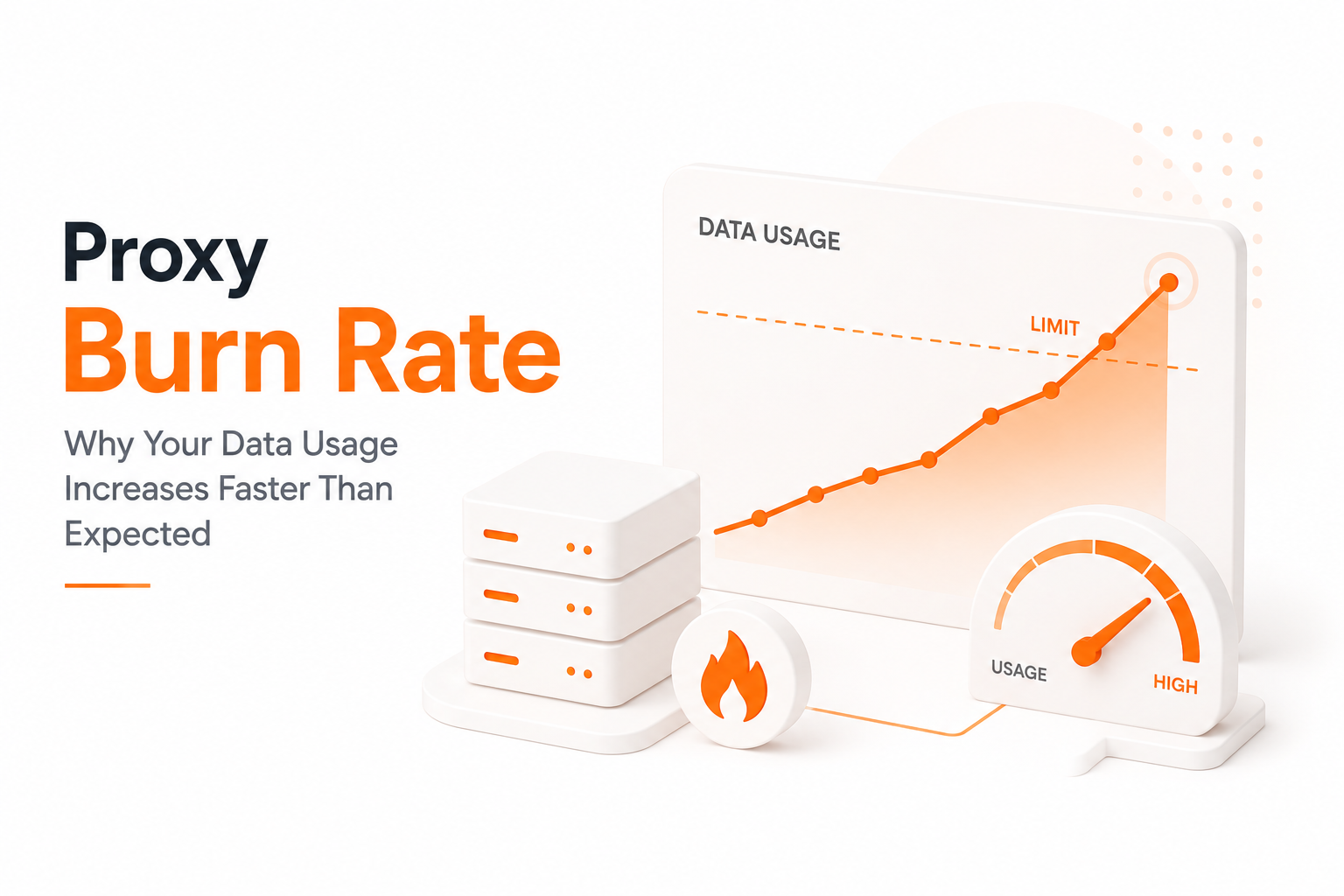
Background traffic, retries, media downloads, and thread counts silently eat your residential GB. Here is what actually drives proxy burn rate — and how to control it.

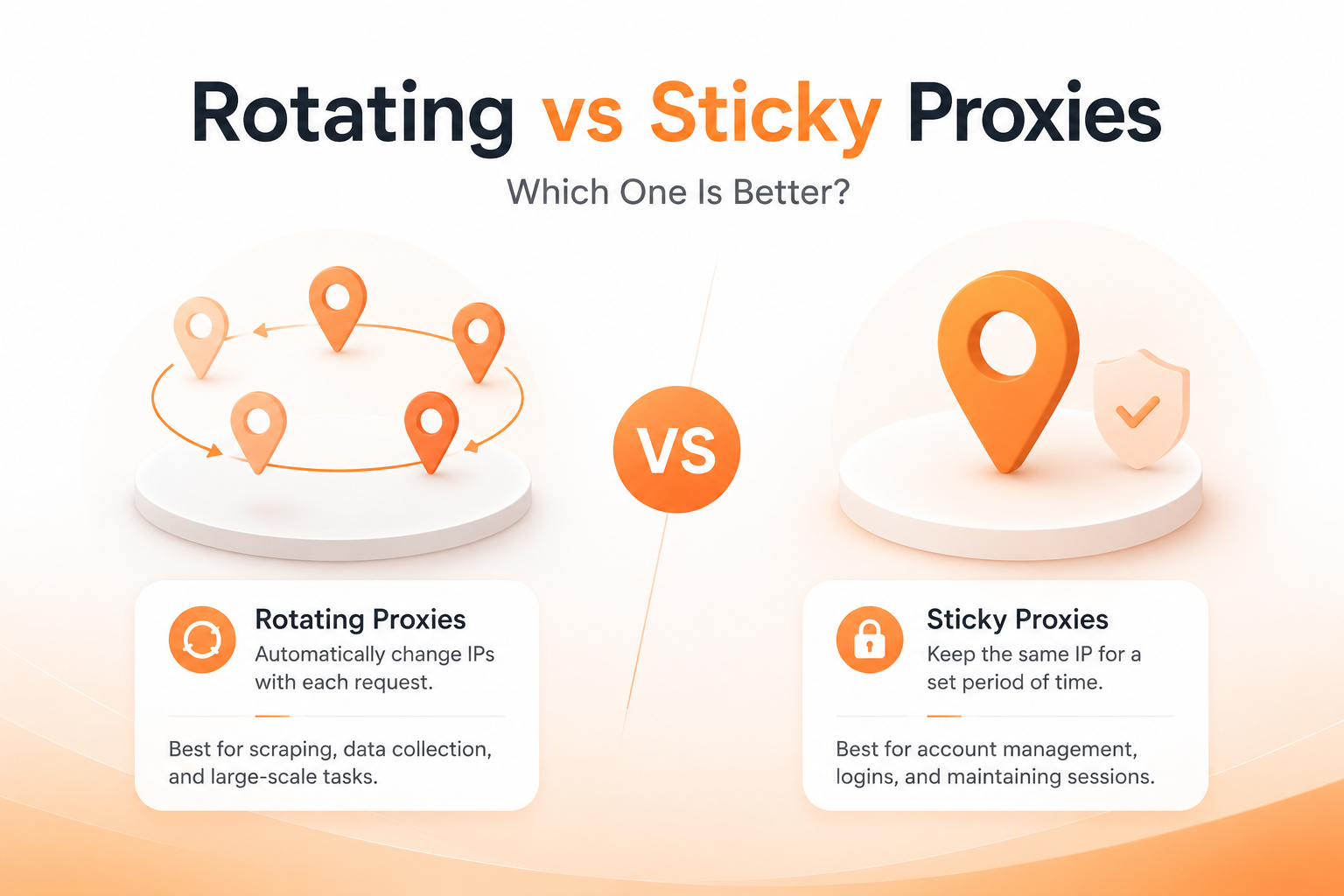
Rotating proxies excel at large-scale requests and data collection, while sticky proxies are built for logins, account management, long sessions, and checkout flows. Here is how to choose the right one.